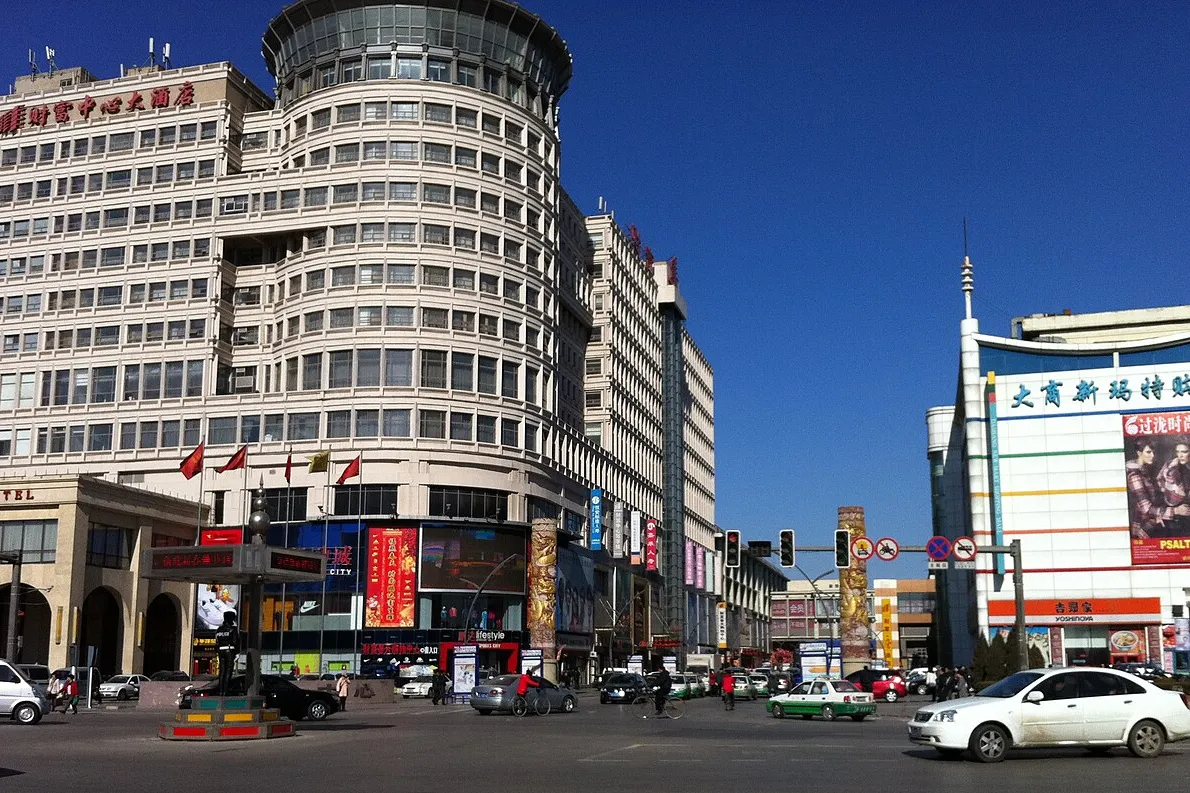
Why this place
Yingkou was opened as a treaty port in 1861, and the old foreign concession along the Liao River still shows 19th-century customs houses and merchant homes. It is the outlet where Manchuria's grain and coal reached the sea, so the city grew as a working port rather than a showpiece. The Liao River estuary is a key stop on the East Asian flyway, with vast reed beds that turn gold and fill with migratory birds, and the delta's silty rice is prized in north China for its sticky grain.
People and culture
- Yingkou was opened as a treaty port in 1861, and the old foreign concession along the Liao River still shows 19th-century customs houses and merchant homes.
- It is the outlet where Manchuria's grain and coal reached the sea, so the city grew as a working port rather than a showpiece.
- The Liao River estuary is a key stop on the East Asian flyway, with vast reed beds that turn gold and fill with migratory birds.
- Yingkou's rice, grown on the river's silty delta, is prized in north China for its sticky grain.
What to see
- The old treaty-port street 19th-century houses and customs buildings along the Liao River
- The Liao River estuary wetland a major stop for migrating birds, best in spring and autumn
- Wang'er Mountain a coastal hill with temples and a sea view southwest of the city
- The West Fort ruins Qing-era coastal defences at the river mouth
- Yingkou beach (Baishi) a sandy stretch on the Liaodong Bay
- The Liaohe River bridge and the new harbour district for the working-port feel
What to eat
- Liaodong Bay crab, prawns and clams, at the fish wharf
- Yingkou rice the region's well-regarded sticky rice, in local meals
- River-fish hot pot and dried shrimp stir-fry
- Coastal cold noodles and grilled squid at the night market
How to plan
Day 1: walk the old treaty-port street and the Liao River embankment, then ride out to Wang'er Mountain for the sea view. Day 2: go to the Liao River estuary wetland for birds (spring or autumn) or to Baishi beach in summer. The wetland is 20 km north by bus; the old port is walkable. Combine the river walk with the West Fort ruins in one morning, leaving the afternoon for the coast.
Best time
May–October; late April and September for bird migration
Practical tips
- Bird migration peaks in late April and September — time the estuary visit then, and bring binoculars.
- The old concession is small; pair it with the river walk rather than a whole day alone.
- Yingkou is hot and humid in July-August; the coast is the comfortable escape then.
HSKHSK level 2
This browser has no speech synthesis, so the ▶ buttons stay silent. Everything else works — Chrome, Edge and Safari can read the sounds aloud.