Why this place
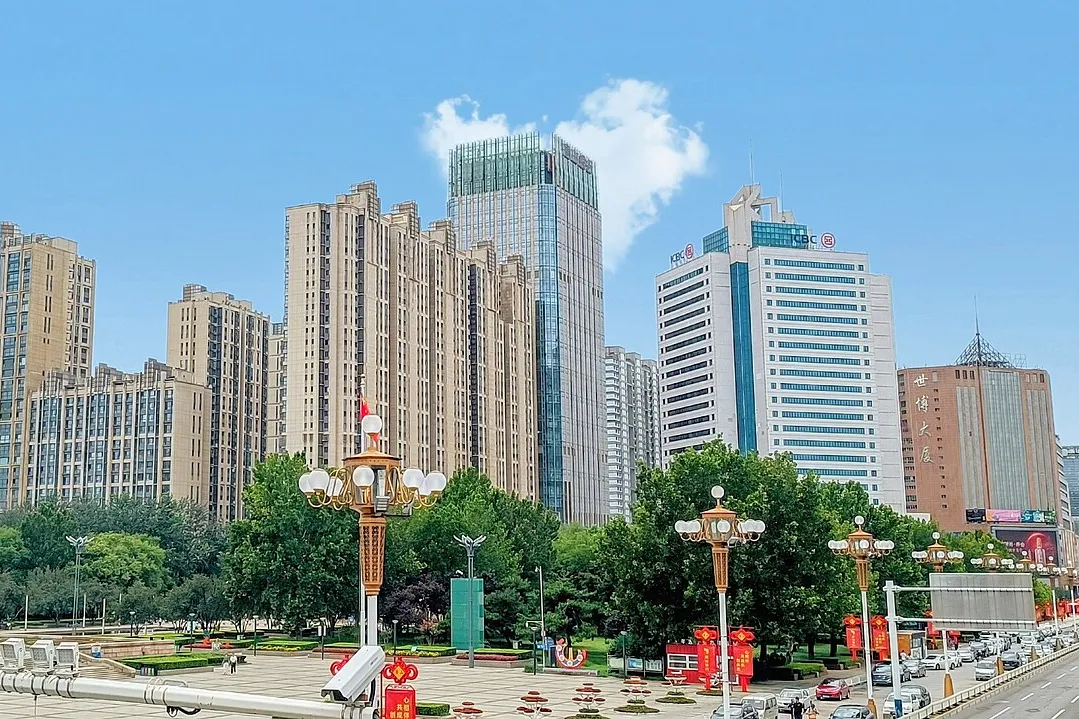
Tangshan is known worldwide for the 1976 earthquake, which struck before dawn and destroyed the city, killing an enormous share of its people. It has been completely rebuilt since, and much of what you see is a modern industrial city — but the memory of the quake is central to its identity, and there is a moving memorial site on the spot of the destroyed railway station. Around it lie the Eastern Qing tombs, a quiet imperial cemetery that few foreign visitors reach.
People and culture
- The 1976 quake hit at 3:42am and flattened most of the city in seconds; the rebuilt Tangshan became a byword in China for resilience, and the anniversary is still marked every year.
- Tangshan is one of China's largest producers of bone china, a craft introduced in the early twentieth century that turned local kaolin into tableware exported worldwide.
- The city sits on the coal that fuelled the first Chinese railway, the Tangxu line of 1881, built by engineers who had to disguise the locomotive as a steam car to satisfy the court.
- Cao Xueqin, the author of the novel Dream of the Red Chamber, is honoured as a native son, and a memorial hall keeps his name alive in the local cultural calendar.
What to see
- Tangshan Earthquake Memorial Park and the preserved ruins of the 1976 railway station
- The ceramics district Tangshan is one of China's largest producers of bone china, with showrooms to visit
- Eastern Qing Tombs in neighbouring Zunhua the resting place of several Qing emperors, quieter than the Ming tombs
- Kailuan National Mine Park, where you can ride into a real coal shaft from the industrial era
- Nanhu Park, built on a reclaimed slag heap and now the city's green centrepiece
- The Phoenix Mountain scenic area on the city edge
What to eat
- Beef and mutton in heavy northern stews, the standard cold-weather cooking of the plain
- Qianxi chestnuts, a local specialty roasted in winter and sold from roadside pans
- Guanding fish from the nearby reservoirs, braised with vinegar and scallion
How to plan
Give Tangshan a day plus a half. Morning at the Earthquake Memorial Park and the preserved station ruins, then the Kailuan mine for the industrial story and lunch on chestnuts and stew. In the afternoon head to the Eastern Qing Tombs at Zunhua by car or bus — allow two hours among the carved stone approaches and the wooded hills. If you have a second morning, the Nanhu Park and the ceramics showrooms fill it comfortably before the train back to Beijing.
Best time
May and September–October
Practical tips
- The Eastern Qing Tombs are 80km out and need a car or a Zunhua-bound bus; do not expect a tour from the centre
- The memorial park is solemn, not a photo spot — keep behaviour quiet and respectful
- High-speed trains from Beijing take under an hour, making Tangshan an easy overnight base
HSKHSK level 2
This browser has no speech synthesis, so the ▶ buttons stay silent. Everything else works — Chrome, Edge and Safari can read the sounds aloud.