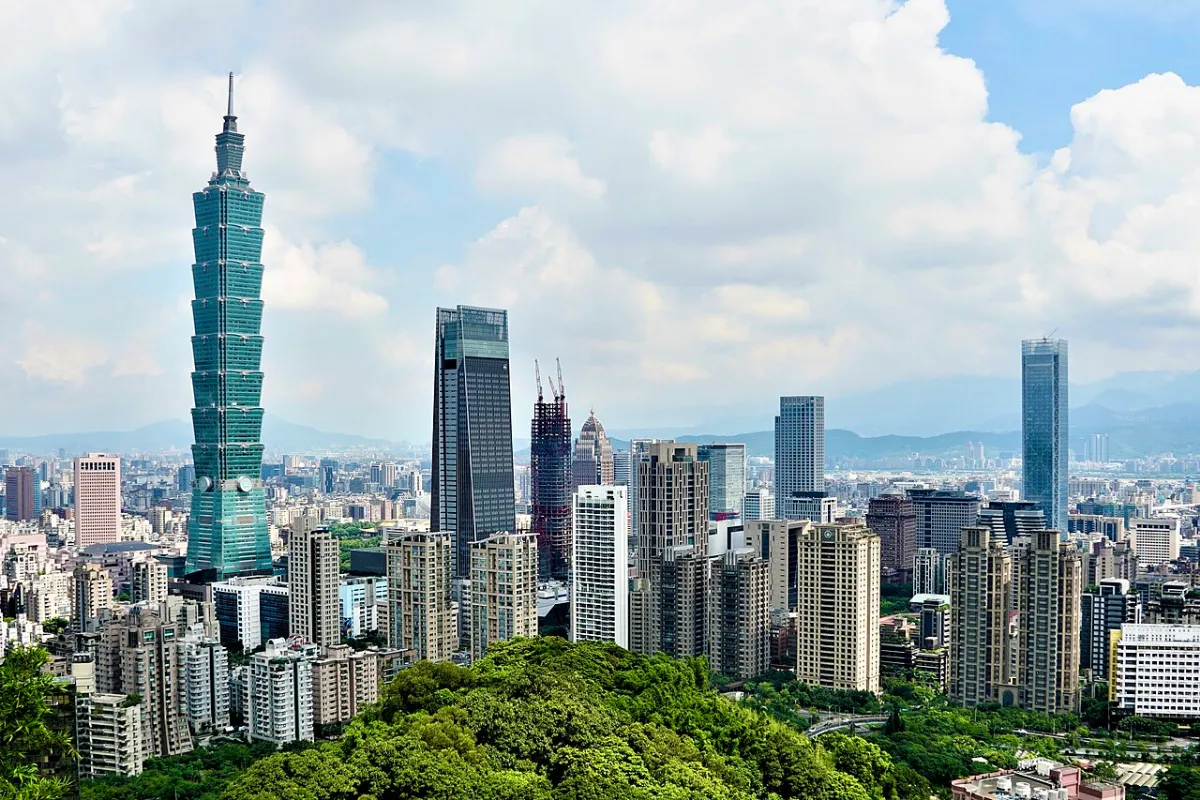
Why this place
Taipei sits in a mountain basin with hot springs, hiking trails and old mining towns all within an hour of the centre. It holds the National Palace Museum, which keeps part of the former imperial collection from Beijing's Forbidden City, brought here in 1949 and unmatched anywhere. The city also runs the most convenient night-market eating culture in the Chinese-speaking world, where groups move stall to stall late into the night. Tea hills and cable cars round out the easy escapes.
People and culture
- The National Palace Museum holds a vast portion of the old imperial art collection, evacuated from the Forbidden City during wartime and moved here in 1949; its jade, bronzes and paintings span several thousand years of craft.
- Night-market eating became a social institution: omelettes, beef noodles and stinky tofu are eaten standing up among crowds, and the habit shapes how the city relaxes after dark.
- The Japanese era left railways, bathhouses and planted hills; Beitou's sulphur hot springs were developed then and remain a weekend ritual reachable by metro.
What to see
- The National Palace Museum and its imperial collection of jade, bronzes and painting
- Taipei 101 and the Xinyi district, with the tower view and the mall below
- Longshan Temple and old Wanhua, the city's original settlement by the river
- Beitou and Yangmingshan hot springs and trails, reachable by metro
- Dihua Street in Datong, a Qing and Japanese-era shophouse row for dried goods
- Jiufen and Jinguashi, the old gold-mining towns on the northeast coast
What to eat
- Night markets Shilin, Ningxia and Raohe — for oyster omelettes, beef noodles and stinky tofu
- Beef noodle soup, the city's signature dish, taken seriously from stalls to chefs
- Soup dumplings in the Din Tai Fung style, and Maokong hillside teahouses
- Taiwanese breakfast shops for soy-milk, fried bread and rice rolls
How to plan
Day one is the museum and the city: the National Palace Museum in the morning, then Xinyi and Taipei 101 for the view, and a night market such as Ningxia for dinner. Day two goes older: Longshan Temple and Wanhua, a walk up Dihua Street for traditional goods, then the Maokong gondola for teahouses at dusk. Day three escapes the basin: Beitou's hot springs by metro, or the northeast coast to Jiufen and the Jinguashi mining museum. The metro is cheap and clean and reaches almost everything a visitor wants, with easy day trips by train.
Best time
October–December and March–April; summers are hot and typhoon season is July–September
Practical tips
- The metro is cheap, clean and covers almost everything a visitor wants, including Beitou and the riverfront; buy an EasyCard for buses and trains.
- Night markets get crowded after eight in the evening; go earlier for space, or later for atmosphere, and carry small cash for stalls.
- Typhoon season runs July to September and can close mountain roads; check the forecast before a coastal or highland day trip.
This browser has no speech synthesis, so the ▶ buttons stay silent. Everything else works — Chrome, Edge and Safari can read the sounds aloud.