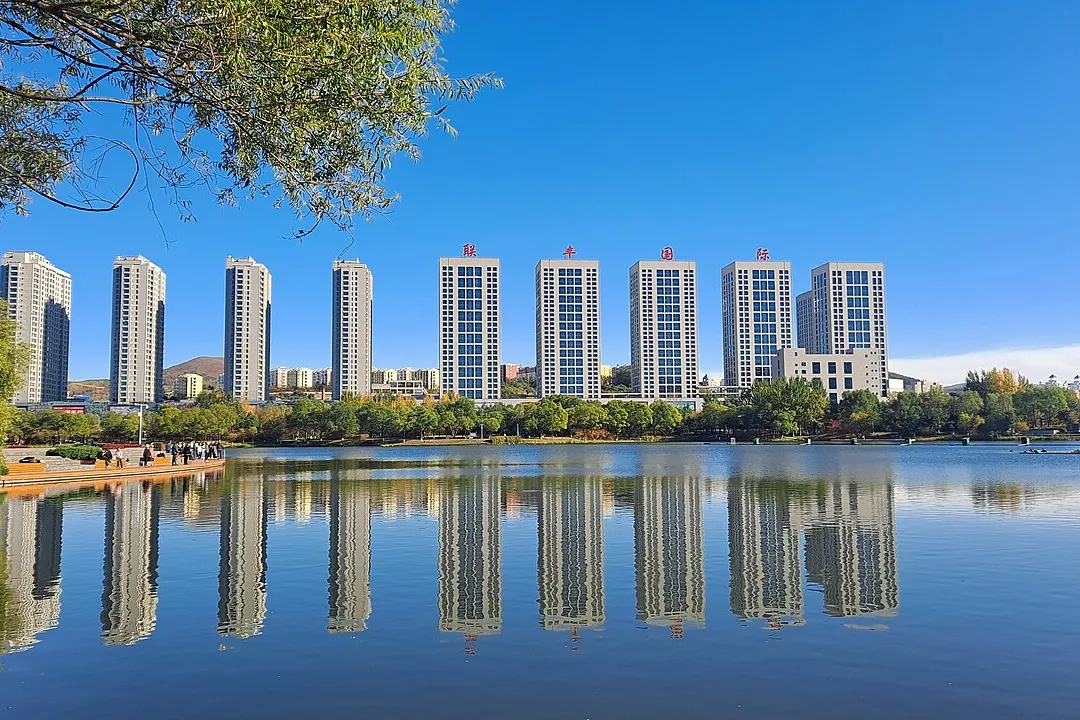
Why this place
Shuangyashan is a coal and grain city between two rivers, close to the Russian border, on the Sanjiang plain. The plain is one of China's largest marsh areas, now drained for rice but still full of waterbirds in the remnant wetlands. The city sits where the mountains meet the plain, so it has both forest hills and open farmland, and the surrounding rice fields produce some of the best japonica grain in the country.
People and culture
- Shuangyashan is a coal and grain city between two rivers, close to the Russian border, on the Sanjiang plain.
- The Sanjiang plain is one of China's largest marsh areas, now drained for rice but still full of waterbirds in the remnant wetlands.
- The city sits where the mountains meet the plain, so it has both forest hills and open farmland.
- Qixing River nature reserve protects a slice of the original marsh with cranes and storks.
- The surrounding rice fields produce some of the best japonica grain in the country.
- The city's name means 'double ducks', from the two rivers that frame it; the plain town still jokes about its two waterways, and the rivers give both the rice water and the border wetland.
What to see
- The Sanjiang Plain wetlands and the Qixing River nature reserve
- The Ussuri River and the border wetlands
- Longhu Lake and the surrounding marsh parks
- The forest hills west of the city for autumn colour
- The Shuangyashan Museum on coal, rice and the plain
- The remnant marsh boardwalks for birdwatching
What to eat
- Northeast stews and fish, the plain's base
- Sanjiang rice, among the best in China
- Grilled skewers and cornmeal cakes
- River shrimp and reed-shoot dishes
How to plan
Day 1: go to the Qixing River nature reserve for the marsh and waterbirds, then Longhu Lake. Day 2: head to the Ussuri border wetlands or the forest hills west of the city for autumn colour. The reserve is 30-40 km out by bus; the hills are closer. Birding and rice-country scenery are the draws; time May for migration and September for the harvest gold. The city is a plain base, so plan the reserves as half-day trips.
Best time
June–September; May for migrating birds
Practical tips
- The wetlands are remote; arrange a driver or an early bus and confirm the last return.
- May is the migration peak and September the harvest — those are the best windows for the plain.
- Shuangyashan is cold and grey in late autumn; the marsh boardwalks are best in late spring and summer.
HSKHSK level 2
This browser has no speech synthesis, so the ▶ buttons stay silent. Everything else works — Chrome, Edge and Safari can read the sounds aloud.