Why this place
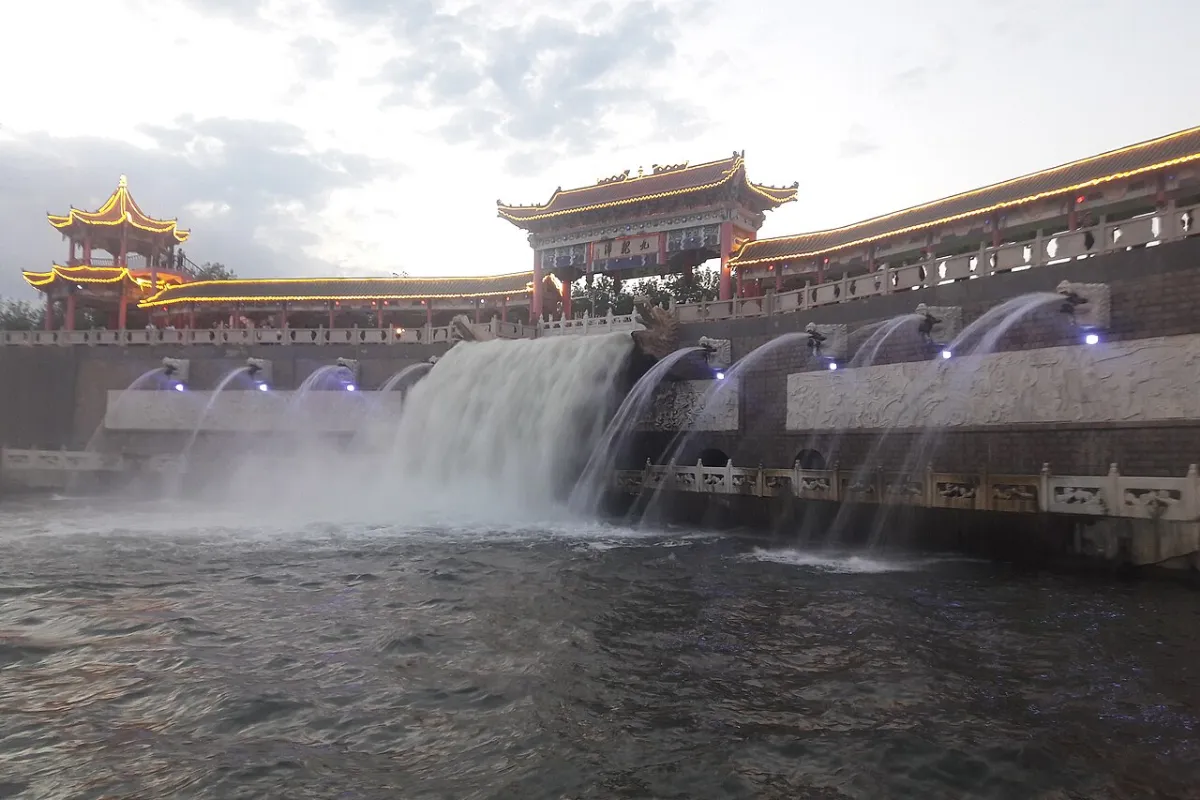
Karamay means black oil in Uyghur, and it is an oil city built in the Gobi in the 1950s. Its ghost city, the Urho yardang landscape, is a field of wind-eroded rock shapes that look like ruins, and it is one of the most atmospheric desert landscapes in China. The city also guards the northern road to the Junggar basin and the border, a stop on the way to the western Xinjiang lakes.
People and culture
- Karamay's name means black oil, from the seeps that led to one of China's first big oil fields, drilled here from the 1950s and still productive.
- The Urho yardang, the ghost city, is a field of wind-carved clay shapes that resemble castles and beasts, best seen at sunset when the light is low.
- The city is a Han and Uyghur oil town, and its museums tell the story of the desert industry that built modern Xinjiang's economy.
- Karamay sits on the road to the Junggar basin and the western border, a staging point for the northern Xinjiang crossings.
What to see
- The Urho ghost city, wind-carved yardang rock, best at sunset.
- The Karamay oil field and the city's industrial heritage.
- The Baiyang River valley and the Gobi country around it.
- The desert museum and the city's oil-exploration exhibits.
- The nearby Ailike Lake and the northern wetland scenery.
- The Gobi dunes and the wind-farm ridges west of the city.
What to eat
- Xinjiang lamb, naan and the local Uyghur dishes, the staple of the Gobi town.
- Karamay big-plate chicken and the local melons in season.
- Hand-pulled laghman noodles and the pilaf with lamb and carrot.
- Hui and Kazakh dairy, with milk tea and the mountain yogurts.
How to plan
Day 1: visit the Karamay oil field heritage and the city museums, then drive out to the Urho ghost city for sunset among the yardang shapes. Day 2: explore the Baiyang River valley and a nearby lake, or head west toward the Gobi wind farms. Karamay is on the rail and road line north of Urumqi toward the border, so it works as a one- or two-day stop for the desert scenery.
Best time
May-October
Practical tips
- The ghost city is open desert with little shade, so go for the late light and carry water and sun protection.
- Karamay is a working oil city, so the draw is the yardang landscape outside town rather than the centre.
- The city is a transport point on the northern road, so pair it with Urumqi or the western lakes rather than a sole long visit.
HSKHSK level 3
This browser has no speech synthesis, so the ▶ buttons stay silent. Everything else works — Chrome, Edge and Safari can read the sounds aloud.