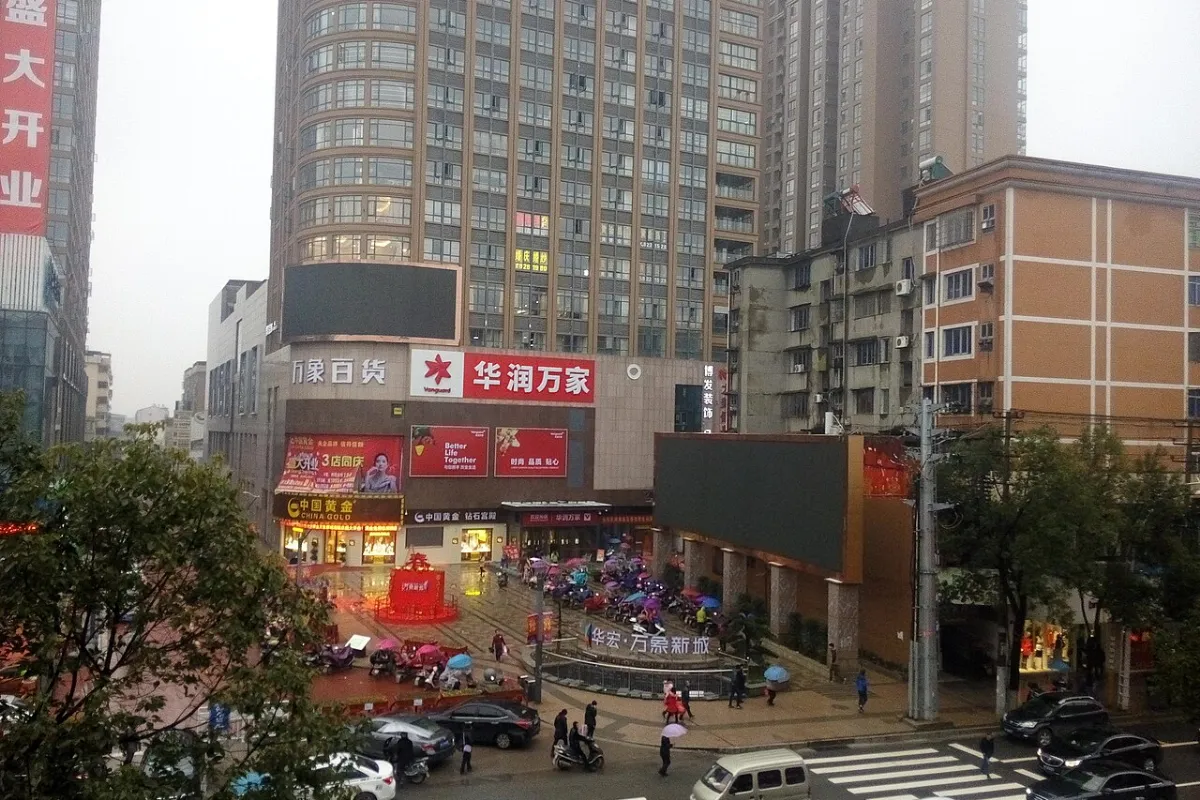
Why this place
This Fuzhou is in Jiangxi, not Fujian, and it is where the reformer Wang Anshi and the playwright Tang Xianzu came from — Tang wrote The Peony Pavilion, the greatest of the Ming dramas. His tomb and memorial are here, and the prefecture keeps a strong literary memory: the 'Linchuan culture' named after the old Linchuan county that centred on this city. It is a quiet, bookish stop rather than a headline destination.
People and culture
- Tang Xianzu, the Ming playwright who wrote The Peony Pavilion, was a Linchuan man; his former residence and tomb are kept here, and the local opera still stages his plays as a living tradition.
- Wang Anshi, the Song reforming minister who tried to rebuild the state's finances, was also from this prefecture; his essays are still set texts, and his memorial stands in the city.
- The old name Linchuan ('near the river') gives the local culture its label; the prefecture produced a remarkable run of Song officials and writers who studied at the same academies.
- The Gan dialect of this region is its own branch, and the rural counties keep village halls much older than the modern city.
- The prefecture's rural counties also keep the old academy tradition in physical form — several Song and Ming school sites survive in the villages, lesser-known than the city memorials but older in stone.
What to see
- The Tang Xianzu memorial and tomb, and the opera culture around it
- The Wang Anshi memorial and the Song-era academy sites
- Nancheng's old town and the Mingshui hills
- The Linchuan culture museum in the city
- The rural village halls of the counties
- The Gan riverbank parks
What to eat
- Jiangxi country cooking with river fish and pickles
- Nancheng hemp cakes (ma bing), a local baked snack
- The local rice wine of the villages
- The plain rice meals of the Gan valley, with a pickle or two and the local rice wine
How to plan
One to two days. Day one the literary city: the Tang Xianzu memorial and tomb in the morning, then the Wang Anshi memorial and the Linchuan museum. Day two a run out to Nancheng's old town and the Mingshui hills, or the rural village halls if you like old wood and carving. Fuzhou (Jiangxi) is a quiet scholarly stop, so a single full day covers the famous names without a rush.
Best time
April–May and October–November
Practical tips
- Don't confuse this Fuzhou with the Fujian capital — trains and tickets use the same spelling, so check the province
- The Tang Xianzu opera is performed on a schedule; ask the memorial for show times
- The literary sites are in the city; the old villages need a car into the counties
HSKHSK level 3
This browser has no speech synthesis, so the ▶ buttons stay silent. Everything else works — Chrome, Edge and Safari can read the sounds aloud.