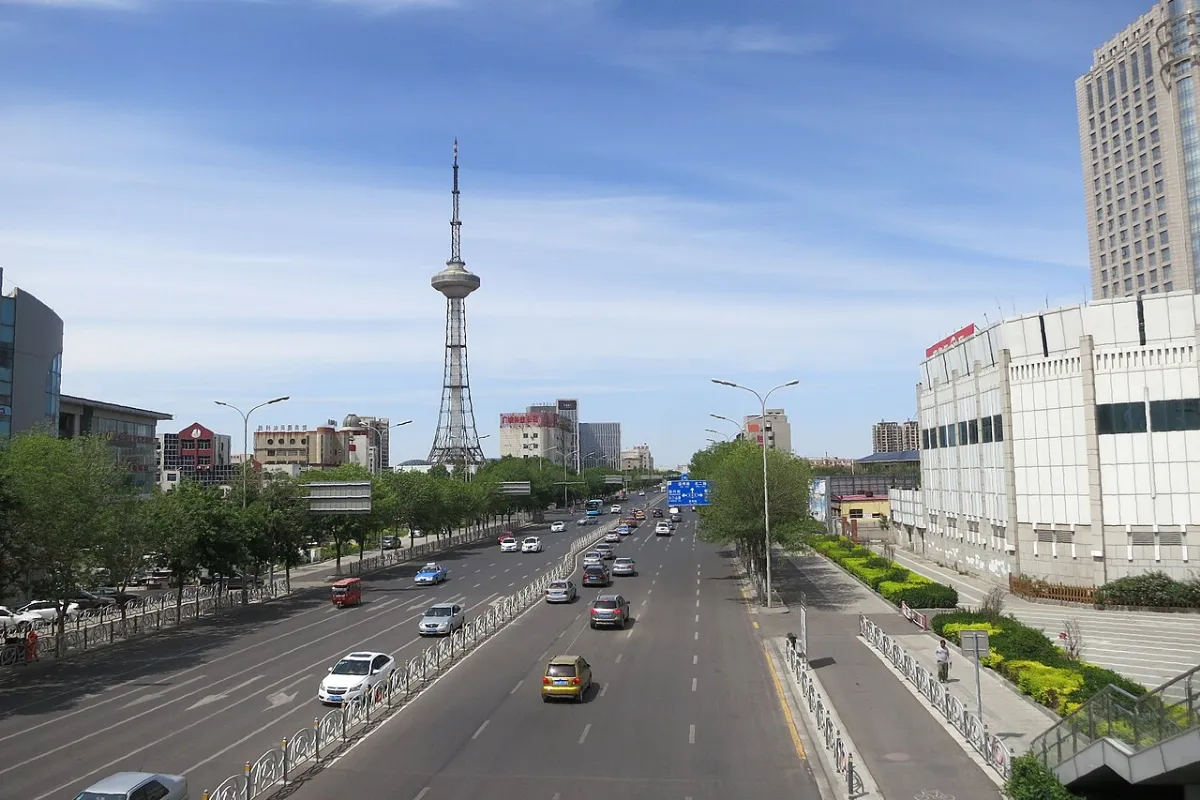
Why this place
Dongying is where the Yellow River reaches the sea, and the delta grows as the river drops its sediment — this is one of the youngest land surfaces in China, with new mudflat appearing each year. The wetland is a major stop for migratory birds, and the oil field under it (Shengli) is one of the country's largest. It is a working energy city as much as a nature one.
People and culture
- The Yellow River delta is building land in front of your eyes — the river's silt extends the coastline, and the new mudflats are measured and mapped as they form; the river mouth shifts with the sediment.
- The wetland is a key stop on the East Asian–Australasian flyway; huge flocks of migratory birds, including red-crowned cranes and the rare Saunders's gull, use the reed beds and the shallows.
- Beneath the delta is the Shengli oil field, one of China's oldest big onshore fields; the pump jacks and the refineries are part of the city's skyline alongside the birds.
- The river's name — Yellow — comes from the loess it carries; where it meets the sea the fresh and salt water make a sharp line you can see from the shore.
What to see
- The Yellow River delta and its mouth, with the newest land in China
- The Yellow River Delta nature reserve reed marsh, cranes and huge numbers of birds
- Swan Lake, where whooper swans winter
- The river mouth where the fresh and salt water meet
- The Shengli oil-field heritage and the working wells
- The coastal mudflats and the bird-watching hides
What to eat
- Yellow River estuary crab and fish
- The reed-bed shrimp and the freshwater catches of the delta
- Dongying sea-food and the wide, flat-country cooking
- The wheat cakes of the northern plain
How to plan
Two days, and the season decides the plan. Winter (December–February) for the swans: Swan Lake and the reserve at first light. Spring–autumn for the delta greenery and the bird migration: the river mouth and the wetland hides. Day one the nature reserve and the bird-watching; Day two the river mouth and the oil-field story. Dongying is flat and spread out, so a car is near-essential and the reserve keeps fixed opening hours.
Best time
October–March for swans and wintering birds; June–September for the delta greenery
Practical tips
- The birds decide the season — swans in deep winter, waders in spring and autumn; check what's present before you go
- The reserve is a working wetland with fixed gates; go at opening and keep to the hides
- Dongying is an oil city with little English signage; carry your destinations in Chinese
HSKHSK level 3
This browser has no speech synthesis, so the ▶ buttons stay silent. Everything else works — Chrome, Edge and Safari can read the sounds aloud.