Why this place
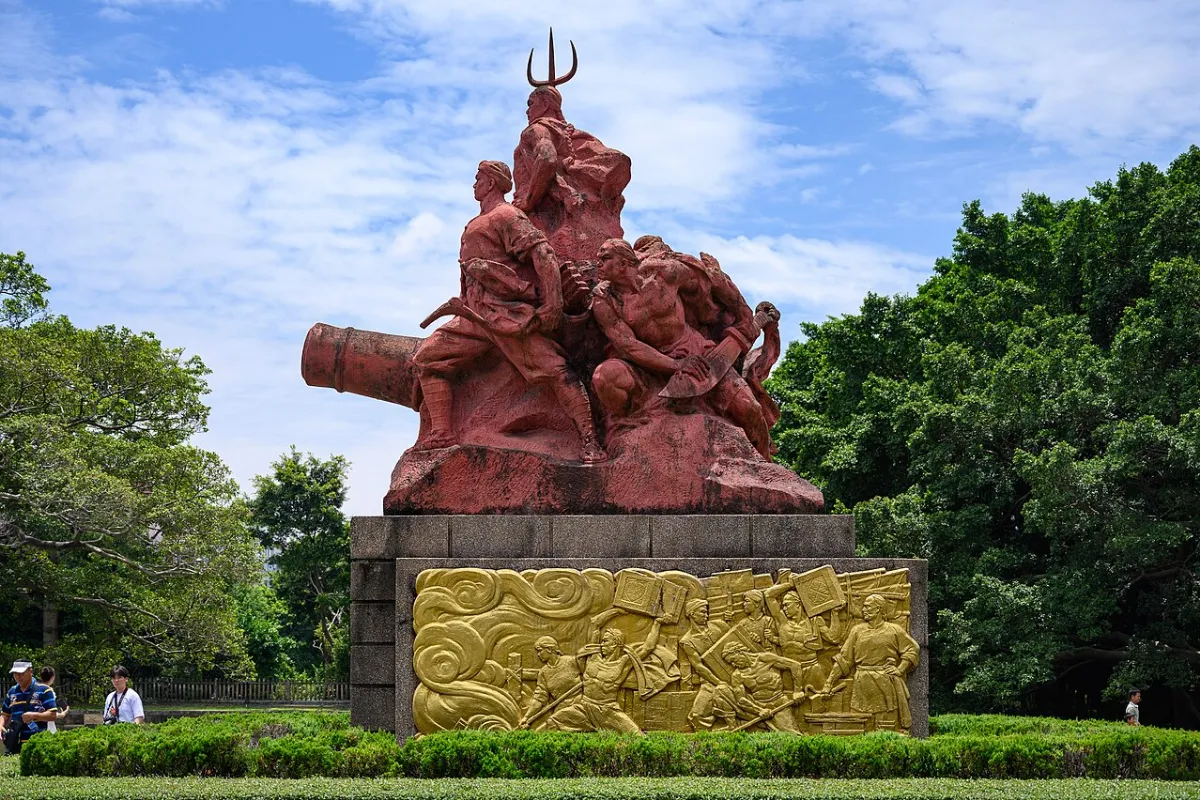
Dongguan became the centre of China's export manufacturing — a huge share of the world's phones, shoes and toys were made in this city — but it also has genuine old towns with Ming and Qing architecture and a strong Cantonese culture underneath the factories. The Opium War sites at Humen are among the most important in modern Chinese history. The contrast between the sprawling factory districts and the quiet Qing-dynasty lanes is the real story of Dongguan, and the Humen sites give it a place in the narrative of modern China that few industrial cities can claim for themselves.
People and culture
- Dongguan's export factories turned it into a workshop for the world's consumer goods, from electronics to footwear, within a single generation.
- The Humen naval battle sites mark where Lin Zexu destroyed confiscated opium in 1839, opening the first Opium War.
- Keyuan Garden in Guancheng is a fine late-Qing scholarly garden hidden inside the industrial city.
- The city's Cantonese opera and teahouse culture survive strongly despite the industrial identity.
- Hakka walled villages in the hills preserve the older rural layer beneath the factories.
What to see
- Keyuan Garden and the old city of Guancheng.
- The Guangdong Opium War sites at Humen where Lin Zexu destroyed confiscated opium in 1839.
- The old villages and the coastal wetlands of the Pearl River estuary.
- The factory districts, if you want to see how export manufacturing works.
- The Nanshe and Tangwei ancient villages, with Ming–Qing lanes.
- The Humen bridge and the coastal fort remains.
What to eat
- Cantonese cooking, with excellent middle-of-the-road dim sum.
- Dongguan's lai fen and its own rice-cake tradition.
- Hakka dishes such as stuffed tofu in the old villages.
- Roast meats and claypot rice in the city's teahouses.
How to plan
Spend two days. Day one visit Keyuan Garden and the old Guancheng lanes, then the Humen Opium War sites and the coastal forts. Day two explore a Ming–Qing village such as Nanshe, eat Hakka food, and if curious tour a factory district to see the manufacturing backbone. Evenings are for Cantonese dim sum. A relaxed evening in a Guancheng teahouse, with Cantonese opera on the program, is the best way to remember Dongguan's older layer after a day spent between coastal forts and working factory districts.
Best time
October–December and March–April
Practical tips
- Humen sites are spread along the coast — a car or tour helps cover them.
- The factory areas are not tourist zones; visit the heritage sites, not the plants.
- Dim sum is best at weekend brunch; book a popular teahouse.
HSKHSK level 2
This browser has no speech synthesis, so the ▶ buttons stay silent. Everything else works — Chrome, Edge and Safari can read the sounds aloud.