Why this place
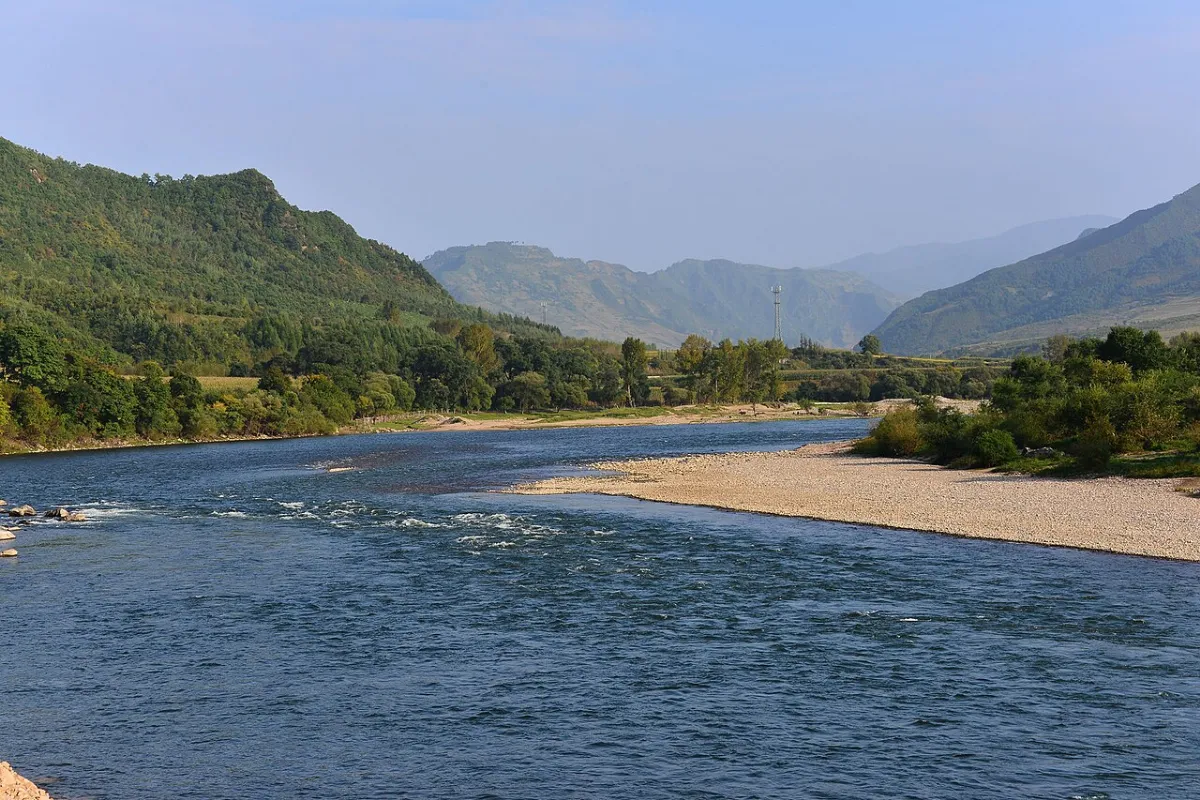
Baishan is the city on the western approach to Changbai Mountain, the highest peak in the northeast and the source of the Songhua, Tumen and Yalu rivers. The peak is a volcanic caldera holding Heavenly Lake (Tianchi), often hidden in cloud; Koreans and Manchus treat it as a sacred border mountain. The foothills grow ginseng in shaded gardens for years before harvest, and the hot springs and old-growth forest make the city a centre for forest health retreats.
People and culture
- Baishan is the city on the western approach to Changbai Mountain, the highest peak in the northeast and the source of the Songhua, Tumen and Yalu rivers.
- The mountain is a volcanic caldera holding Heavenly Lake (Tianchi), often hidden in cloud; the Koreans and Manchus treat it as a sacred border peak.
- The Changbai foothills grow ginseng, the famous northern root, in shaded gardens for decades before harvest.
- The area's hot springs and old-growth forest make it a centre for forest health retreats in China.
- Baishan's name means 'white mountain', from the snow cap and the birch forest on the upper slopes.
What to see
- Changbai Mountain's Heavenly Lake (Tianchi) a crater lake on the border, often hidden in cloud
- The Changbai waterfall and the hot springs on the north slope
- Forest walks and ginseng farms in the surrounding counties
- The west slope cable car and the alpine meadows near the caldera
- The Songhua River source marker and the upper-river scenery
- The Linjiang border town and the Yalu valley south of the city
What to eat
- Ginseng dishes and ginseng liquor the region's famous crop
- Forest mushrooms, fern shoots and wild vegetables
- Cold noodles and grilled river fish from the upper Yalu
- Wild berry jam and pine-nut sweets, mountain products
How to plan
Day 1: enter Changbai Mountain from the west slope, take the cable car toward Heavenly Lake and walk the alpine meadows, then the hot springs. Day 2: visit a ginseng farm and the forest trails, or go to Linjiang on the Yalu. The mountain gate is an hour from the city by bus; Tianchi is visible on maybe one day in three, so plan a second attempt. The north slope has the big waterfall; the west slope has the meadows.
Best time
July–September; the mountain is snowbound from October to May
Practical tips
- Tianchi is visible on maybe one day in three — plan on more than one attempt if it matters to you.
- The mountain gateway is high and cold even in summer; bring a layer and book the shuttle bus early.
- Baishan is the base, not the peak — most visitors stay in the city and bus up; arrange the permit through your hotel.
HSKHSK level 3
This browser has no speech synthesis, so the ▶ buttons stay silent. Everything else works — Chrome, Edge and Safari can read the sounds aloud.